Leap Year 2025 All You Need To Know
In this auspicious occasion, we are delighted to delve into the intriguing topic related to Leap Year 2025: All You Need to Know. Let’s weave interesting information and offer fresh perspectives to the readers.

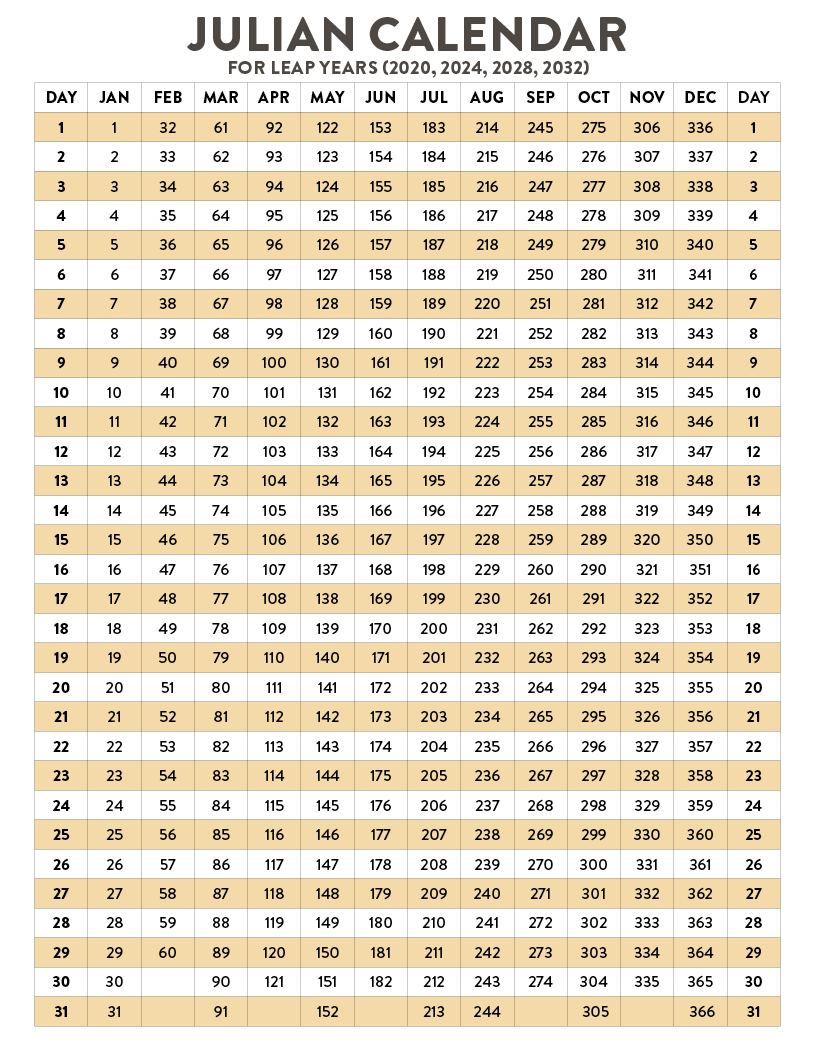
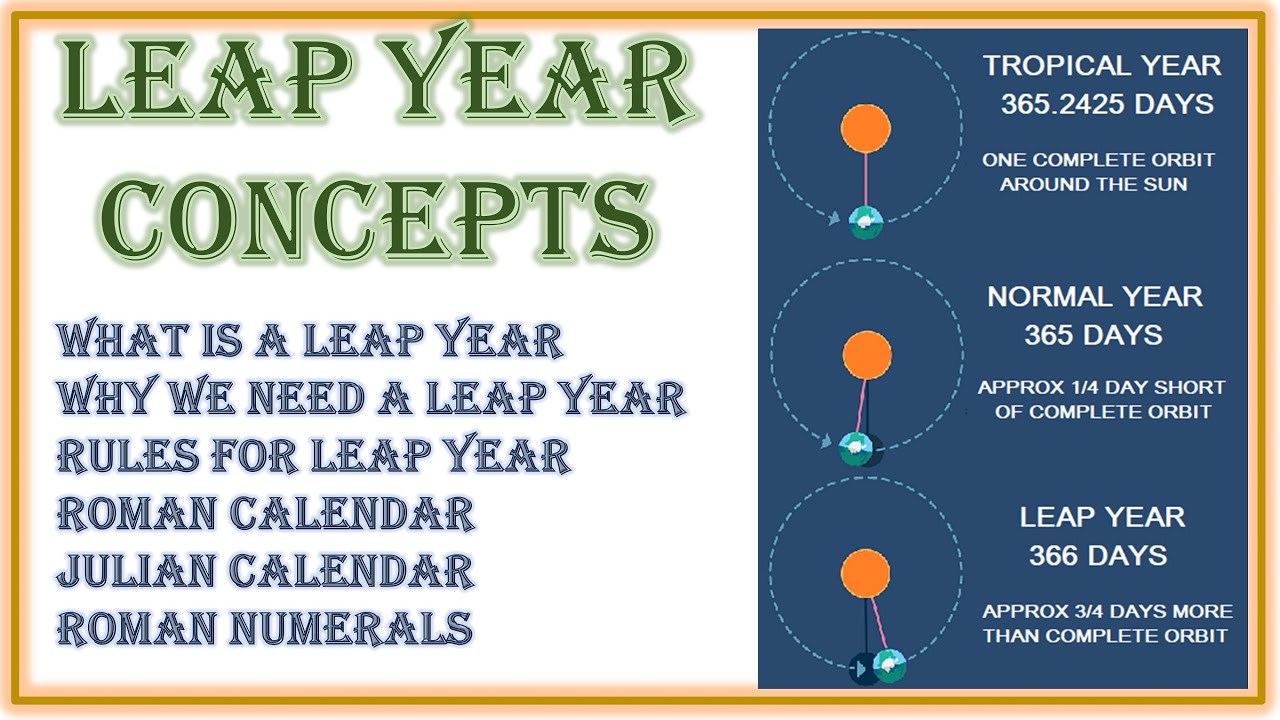
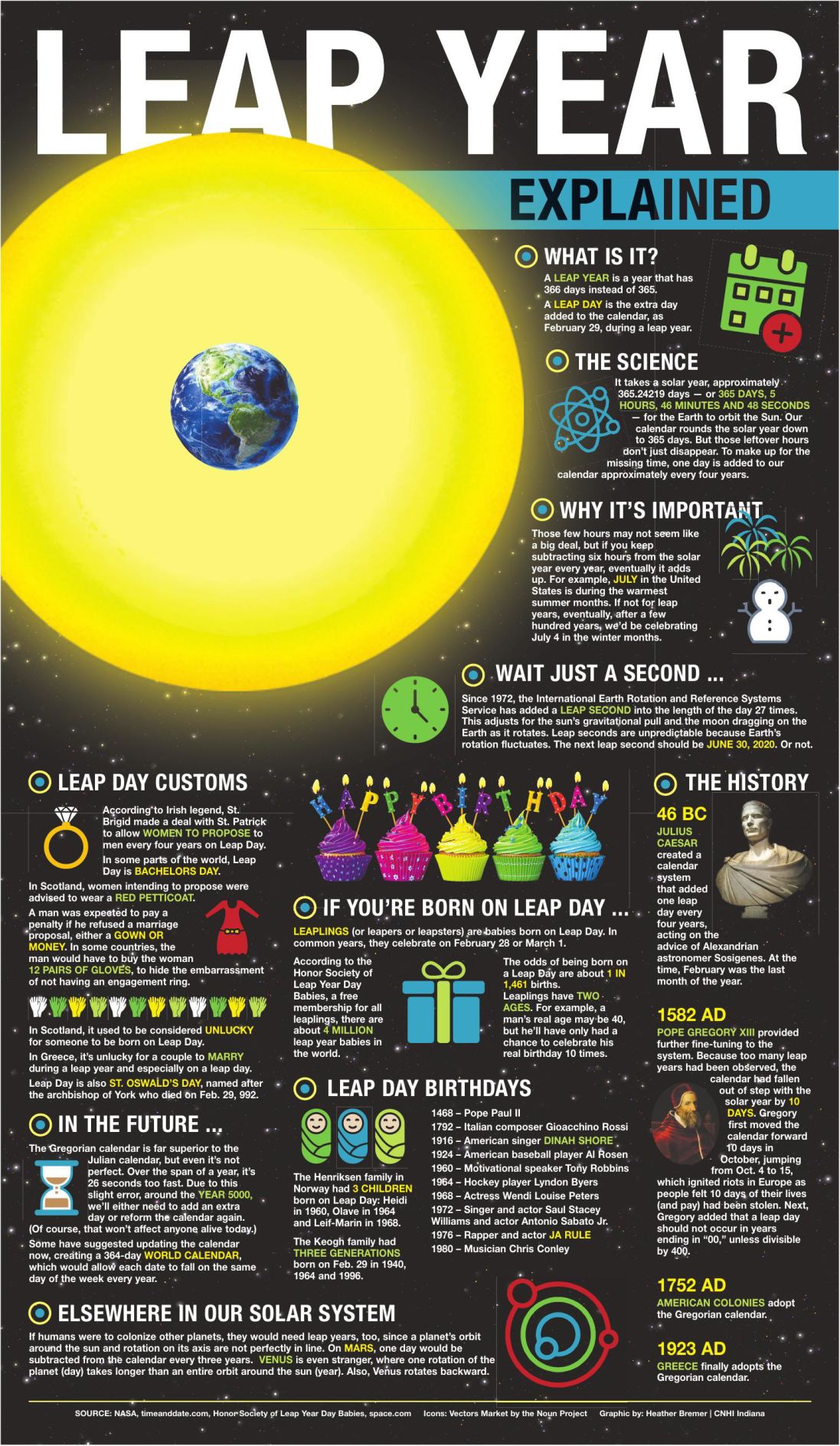
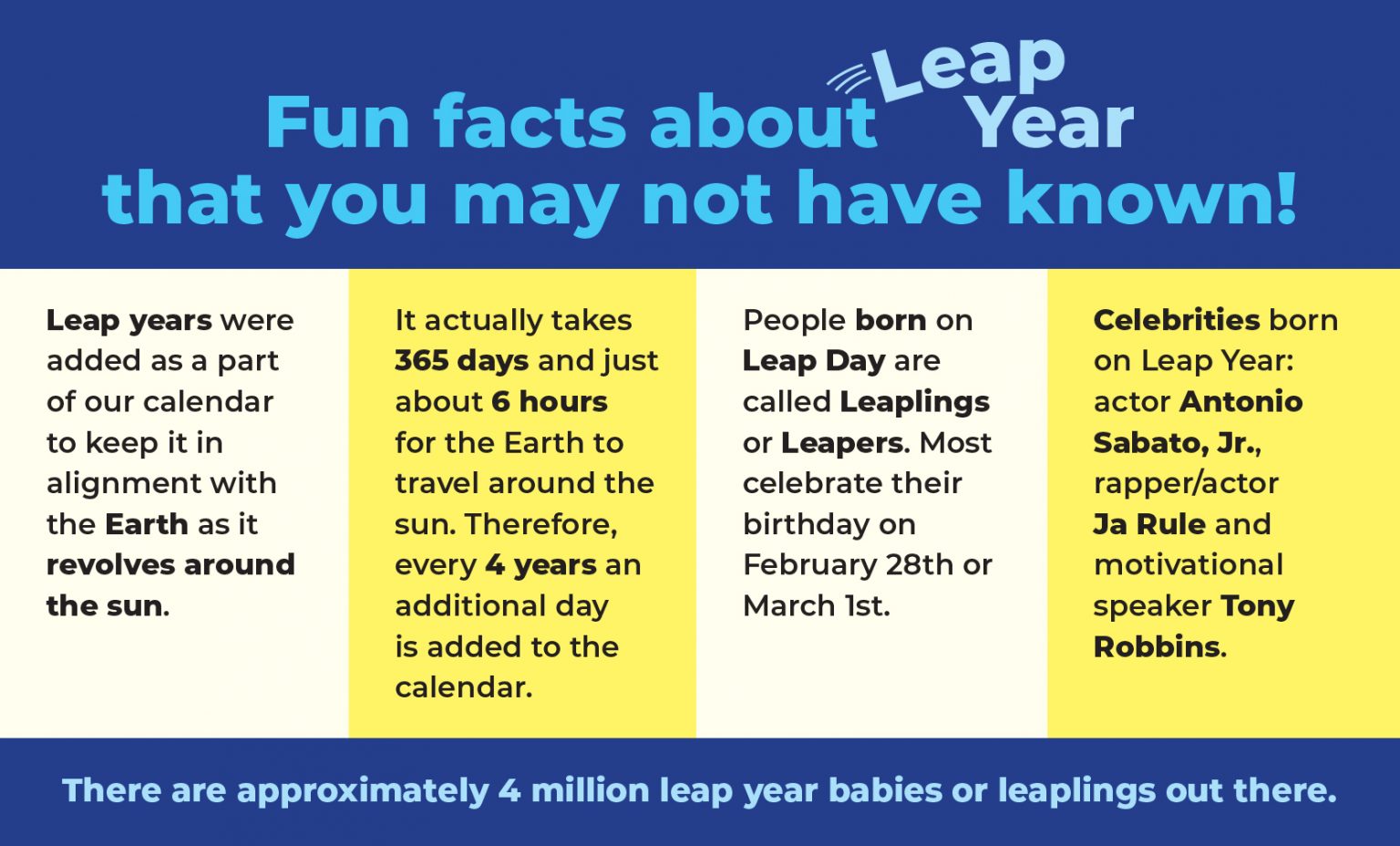
A leap year is a year with an extra day added to the calendar, making it 366 days long instead of the usual 365. This extra day is added to the end of February, making it 29 days long instead of 28. Leap years occur every four years, except for years that are divisible by 100 but not by 400. For example, the year 2000 was a leap year, but the year 1900 was not.

The Earth’s orbit around the sun is not exactly 365 days long. It actually takes 365.2422 days for the Earth to complete one orbit. This means that over time, the calendar would get out of sync with the seasons if we didn’t add an extra day every four years.

The next leap year will be 2025. This means that the year 2025 will have 366 days, with an extra day added to the end of February.
In a leap year, the calendar is shifted by one day. This means that the days of the week will fall on different dates than they would in a non-leap year. For example, in 2025, February 29th will be a Friday. However, in 2025, February 29th will be a Saturday.
:max_bytes(150000):strip_icc()/things-you-didnt-know-about-leap-year-4864254-5a374544728d43998376a09628923761.png)
Leap years can affect the dates of holidays that fall in February or March. For example, in 2025, Valentine’s Day will fall on a Thursday. However, in 2025, Valentine’s Day will fall on a Friday.
Leap years can affect businesses that operate on a daily or weekly basis. For example, a business that pays its employees weekly may need to adjust its payroll schedule in a leap year.

Leap years can affect taxes for businesses and individuals. For example, businesses may need to file their taxes on a different date in a leap year.
![Everything You Need to Know About Leap Year, and Then Some! [VIDEO]](https://townsquare.media/site/87/files/2012/02/Leap-Year-every-four-years-with-a-few-exceptions-300x168.jpg?w=980u0026q=75)
Leap years are a necessary part of our calendar system. They help to keep the calendar in sync with the seasons and ensure that the days of the week fall on the correct dates. The next leap year will be 2025, so be sure to mark your calendars!


Thus, we hope this article has provided valuable insights into Leap Year 2025: All You Need to Know. We appreciate your attention to our article. See you in our next article!